
How to Prevent Future Drywall Problems
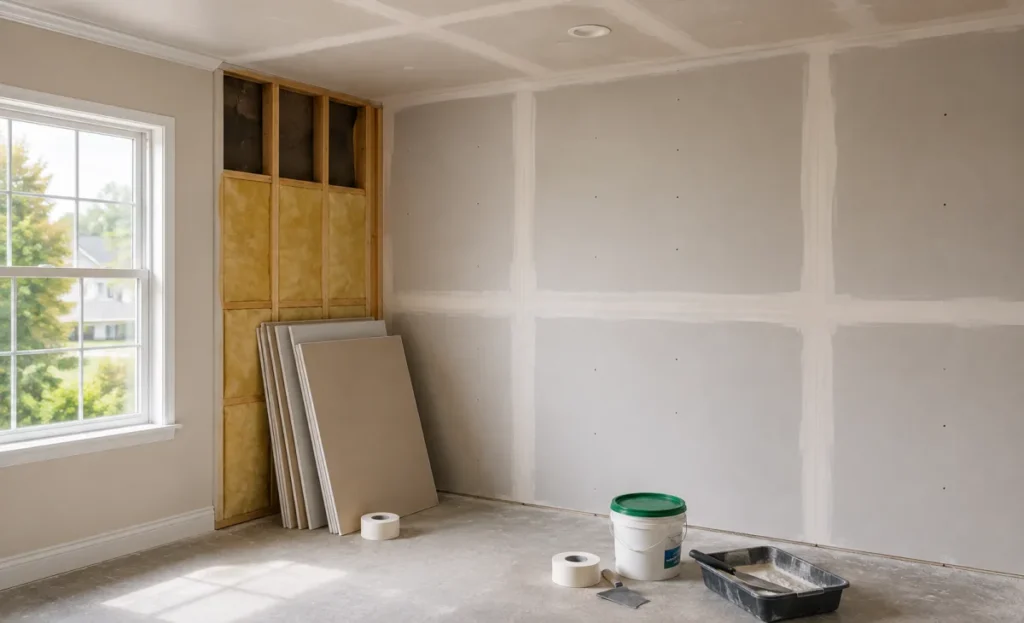
Drywall can last for many years when it is installed correctly and protected from moisture, movement, and everyday damage. Most wall problems have an underlying cause that homeowners can often prevent with proper installation, regular maintenance, and quick attention when something starts to change.
Cracks, dents, loose tape, water stains, and screw pops don’t always happen randomly. Poor installation, humidity, leaks, building movement, furniture impacts, and neglected maintenance can all affect drywall over time. Understanding these causes makes it easier to protect your walls before small problems turn into expensive repairs.
What Causes Drywall Problems?
Drywall problems usually come from moisture, movement, poor installation, physical impact, or a lack of maintenance. Knowing why damage happens is the first step toward preventing it. Properly installed and routinely checked walls are far less likely to experience major issues unexpectedly.
Moisture and Water Leaks
Water is one of the biggest threats to drywall in residential buildings. Leaking pipes, roofs, windows, appliances, and bathrooms can gradually weaken drywall and joint compound. Water damage may appear as yellow stains, swelling, soft spots, peeling paint, unpleasant odors, or mold growth. Always locate and repair the moisture source before repairing or repainting damaged drywall.
Building Movement and Settling
Homes naturally experience some movement as building materials expand, contract, settle, and respond to changing conditions. This movement can place stress on drywall joints, corners, ceilings, and openings. Minor cracks can form when adjoining materials shift, expand, or contract differently. If the same crack keeps coming back, find the underlying cause before repairing it again.
Temperature and Humidity Changes
Changes in temperature and indoor humidity can affect drywall and its finished joints. Large fluctuations may contribute to movement, cracking, joint failure, or surface deterioration. Keeping indoor conditions reasonably stable can reduce unnecessary stress on finished walls. Bathrooms, kitchens, laundry areas, and poorly ventilated rooms deserve extra attention because they regularly experience higher moisture levels.
Poor Installation
Some drywall problems begin before the wall is ever painted. Incorrect fastening, weak joints, poor taping, and improper panel placement can create problems that become noticeable months or years later. Professional installation involves careful planning, proper fastening, reliable joint support, and suitable finishing techniques. Small shortcuts during installation can eventually become visible through cracks, uneven seams, or loose fasteners.
Physical Impact and Everyday Wear
Furniture, doors, moving boxes, children, pets, and daily activities can damage drywall surfaces. High-traffic areas usually receive more dents, scratches, holes, and corner damage than quieter rooms. A few simple measures can help keep vulnerable walls safe from everyday bumps. Placing furniture carefully and protecting exposed corners can prevent avoidable drywall damage.
Using the Wrong Drywall
Not every room has the same moisture, fire, or impact requirements. Using an unsuitable drywall product can create problems when environmental conditions become challenging. Choose materials according to the room, building requirements, and expected exposure. Bathrooms, garages, utility spaces, and other specialized areas may require different drywall products or installation methods.
How to Prevent Drywall Problems Before Installation
Drywall prevention begins before the first panel reaches the wall. Checking the structure, framing, moisture conditions, and material requirements can prevent problems that would otherwise appear after finishing. Taking time during preparation is usually easier and less expensive than correcting problems after the walls have already been completed.
Inspect the Framing and Wall Structure
Framing should provide a stable and suitable surface for drywall installation. Look for obvious movement, uneven areas, moisture damage, or other conditions that could affect the finished wall. Weak or uneven framing can lead to wall cracks, uneven joints, and loose fasteners. Fix framing issues first so they don’t create problems after the drywall has been installed.
Fix Plumbing, Roof, and Moisture Problems First
Never install new drywall over an unresolved leak or moisture problem. Water trapped behind finished walls can damage materials long before the problem becomes visible. Check plumbing, roofing, windows, exterior walls, and other possible moisture sources before installation. Solving water intrusion first protects new drywall from premature damage and reduces the chance of repeated repairs.
Choose the Right Type of Drywall
Different drywall products are designed for different conditions and performance requirements. Properly installed and routinely checked walls are far less likely to experience major issues unexpectedly. Bathrooms and other damp areas need careful material selection and proper installation. Always follow manufacturer recommendations and applicable local building requirements when selecting drywall for a particular space.
Plan Sheet Layout and Joint Locations
Panel layout affects both appearance and long-term performance. Poorly positioned joints can experience unnecessary stress and become more difficult to finish smoothly. Experienced installers consider framing, openings, panel direction, and seam locations before installation begins. Good planning can reduce unnecessary joints while creating a cleaner and more durable finished surface.
Consider Doors, Windows, Corners, and Other Stress Points
Openings and corners deserve special attention because movement can concentrate around these areas. Joints placed too close to vulnerable locations may become more likely to crack. Careful detailing helps finished drywall accommodate normal building movement. This is especially important around doors, windows, ceiling transitions, and corners where different surfaces meet.
Follow Proper Drywall Installation Practices
The quality of a finished wall depends heavily on what happens underneath the paint. Correct installation reduces many problems that homeowners later assume are simply caused by aging. Proper fastening, joint treatment, taping, and corner finishing all contribute to a wall that looks better and performs better over time.
Use the Correct Fasteners
Fasteners should match the drywall thickness and framing material being used. Proper attachment keeps panels secure and reduces unwanted movement against the framing. Drywall screws are commonly used because they provide reliable attachment when installed correctly. Fastener spacing, placement, and depth should follow accepted installation practices and product recommendations.
Avoid Overdriving Drywall Screws
A screw driven too deeply can break the drywall paper facing. That damage can reduce holding strength and create problems during finishing. Fasteners should sit correctly without breaking through the paper surface. Proper screw placement creates a more secure foundation for joint compound and minimizes the risk of future fastening issues.
Properly Support and Finish Joints
Drywall seams need solid backing to stay secure as the building naturally shifts. Without proper support, joints can move, crack, or create uneven areas during finishing. Joint preparation also affects how smooth the wall looks after painting. Good finishing begins with solid panel placement, reliable support, and careful application of joint compound.
Use Drywall Tape Correctly
Drywall tape helps reinforce suitable joints and reduces the chance of visible separation. Skipping tape can leave joints more vulnerable to movement and cracking. Tape should be installed with appropriate joint compound and proper technique. Rushing this stage often creates problems that become noticeable only after the wall has been painted.
Treat Butt Joints Properly
Butt joints can create noticeable bumps when they’re poorly supported or finished. Careful planning and appropriate support can help keep these joints flatter. Back blocking may provide additional support in suitable installation situations. The goal is a stable joint that remains strong and blends naturally into the surrounding finished surface.
Reinforce Outside and Inside Corners
Corners are exposed to furniture, moving boxes, doors, and everyday household activity. Proper corner reinforcement helps protect these vulnerable areas from repeated impact. Careful finishing also creates stronger and cleaner-looking corners. A well-finished corner is easier to maintain and less likely to develop damage during normal household use.
Allow for Building Movement Where Necessary
Some buildings experience movement that cannot be eliminated through ordinary drywall finishing. Proper detailing can help accommodate expected movement and reduce stress-related cracking. Not every crack means the original drywall installation was poor. The building design, framing conditions, and expected movement should guide the installation approach.
How to Prevent Common Drywall Problems
Every drywall issue can stem from different factors, so effective prevention should focus on the specific cause. Understanding common sources of damage makes routine maintenance easier for homeowners. Spotting early warning signs can also keep small imperfections from turning into more extensive wall or ceiling repairs.
Prevent Drywall Cracks
Drywall cracks commonly appear near seams, corners, openings, and sections exposed to structural movement. Proper joint treatment and stable indoor conditions can reduce many common cracking problems. Don’t repeatedly patch the same crack without looking for its cause. A recurring crack may indicate movement, moisture, framing issues, or a weak joint.
Prevent Nail and Screw Pops
Fastener pops may develop when drywall or framing moves after installation. Improper fastening can also contribute to visible bumps beneath the finished surface. Use suitable fasteners and install them at the correct depth. Stable framing and proper attachment provide a stronger foundation for preventing future screw and nail pops.
Prevent Loose or Bubbling Drywall Tape
Loose or bubbling tape can result from moisture, movement, poor bonding, or installation mistakes. Adding more compound over failing tape usually won’t solve the underlying issue. Inspect the affected area and determine why the tape failed. Correct moisture or installation problems before applying a new finish to the damaged joint.
Prevent Water Damage and Staining
Water stains should always be treated as signs of possible moisture intrusion rather than simple cosmetic problems. Painting over a stain won’t prevent an active leak from damaging the wall again. Check plumbing, roofing, windows, and nearby moisture sources before making repairs. Fixing the source first can prevent repeated staining and drywall replacement.
Prevent Mold and Mildew
Mold growth becomes more likely when drywall remains exposed to excess moisture. Bathrooms, kitchens, laundry rooms, and poorly ventilated spaces deserve extra attention. Use proper ventilation and repair leaks quickly when they appear. Persistent dampness should be investigated before damaged drywall receives cosmetic repairs, especially when the wall feels soft or shows discoloration.
Prevent Holes, Dents, and Impact Damage
Small impacts are common around furniture, hallways, doors, and busy living spaces. Protecting vulnerable areas can reduce repeated patching and repainting. Move heavy furniture carefully and avoid dragging sharp edges across walls. Repair small holes and dents before repeated impacts or moisture exposure make the damage more noticeable.
Prevent Corner Damage
Outside corners receive frequent contact from furniture and moving equipment. Appropriate corner reinforcement can provide additional protection in high-traffic areas. You can also reduce damage by keeping furniture away from exposed corners. Extra care during moving projects can prevent costly wall repairs and keep finished corners looking clean.
Prevent Sagging or Bulging Drywall
Sagging or bulging drywall should not automatically be treated as cosmetic damage. Moisture, inadequate support, fastening problems, or movement may cause visible deformation. Investigate the cause before applying surface repairs. Ceiling damage deserves particular attention because loose or weakened panels can create safety concerns if they continue to deteriorate.
Control Moisture and Humidity in Your Home
Moisture control is one of the most effective ways to protect drywall. Proper ventilation helps finished walls stay durable, stable, and visually appealing for longer. Homeowners should pay particular attention to rooms where steam, water, and condensation are common throughout the day.
Improve Bathroom and Kitchen Ventilation
Bathrooms and kitchens create moisture through showers, cooking, washing, and cleaning. Good ventilation helps remove humid air before it affects walls and ceilings. Run exhaust fans during moisture-producing activities and afterward when appropriate. Keep vents clean so dust doesn’t restrict airflow and reduce ventilation performance.
Fix Leaks Immediately
Even a small leak can create significant drywall damage when ignored. Water may travel behind finished surfaces before stains or soft spots become visible. Check unusual stains, damp areas, peeling paint, and musty odors promptly. Early action can reduce the amount of damaged drywall requiring replacement and help protect nearby materials.
Watch for Condensation
Repeated condensation can indicate excessive indoor moisture or poor ventilation. Windows, exterior walls, and cooler surfaces may show signs before drywall damage becomes obvious. Improve airflow and investigate damp areas when condensation keeps returning. Keeping surfaces dry reduces the chance of long-term moisture-related damage and deterioration.
Monitor Humidity Levels
Indoor humidity affects comfort, finishes, and many building materials. A basic humidity monitor can help homeowners notice unusual changes inside the house. If humidity stays unusually high, investigate ventilation and possible moisture sources. Addressing the underlying cause is more effective than waiting for drywall damage to develop.
Inspect Areas Vulnerable to Water Damage
Check ceilings below bathrooms, plumbing areas, roofs, windows, and exterior walls regularly. Early inspection can reveal stains or soft spots before damage spreads. Pay closer attention after heavy storms, plumbing failures, or roof leaks. Early detection usually means less damage and a simpler repair.
Protect Drywall After Installation
Good drywall care doesn’t end after painting. Simple habits can protect finished walls from moisture, impacts, mounting damage, and neglect. Homeowners don’t need a complicated maintenance routine, but they should respond when something unusual appears on a wall or ceiling.
Hang Heavy Objects Correctly
Heavy shelves, televisions, cabinets, and mirrors need appropriate support. Using the wrong anchor can damage drywall and create a safety problem. Whenever possible, attach heavy items to suitable framing or structural support. Choose anchors according to the wall construction and expected load rather than relying on a generic fastener.
Protect Walls From Furniture and Impact
Furniture can slowly damage drywall through repeated contact and movement. Leave reasonable clearance around corners and avoid pressing sharp edges against finished walls. Protective measures are especially useful in hallways and narrow rooms. A few simple precautions can prevent repeated dents, scratches, and damaged corners.
Use the Right Anchors and Supports
Different anchors are designed for different wall conditions and load requirements. Choosing hardware based only on appearance can lead to unnecessary drywall damage. Follow the anchor manufacturer’s instructions and recommended weight limits. Proper support protects both the wall and the item being mounted.
Maintain Paint and Wall Finishes
Paint helps protect finished drywall from normal household wear and minor exposure. Peeling, bubbling, or damaged paint should be addressed before problems become worse. Inspect painted surfaces during normal cleaning and home maintenance. Repair damaged finishes before moisture or repeated contact reaches the drywall underneath.
Avoid Ignoring Small Damage
Small holes, cracks, and dents can become harder to manage when ignored. Moisture and repeated impact may gradually turn minor damage into larger repairs. You don’t need to inspect every wall constantly. Simply respond when you notice changes or new signs of damage.
Create a Regular Drywall Inspection and Maintenance Routine
Drywall doesn’t need complicated maintenance, but it benefits from regular attention. A simple inspection routine can help homeowners catch problems before they spread. Routine inspections are particularly helpful after storms, plumbing issues, seasonal changes, or renovation work that could impact surrounding walls.
What to Check Monthly
Inspect visible seams, corners, ceilings, and frequently used walls every month. Look for new cracks, stains, dents, bubbling, loose tape, or raised screws. Focus on changes instead of expecting every surface to remain flawless. Any new damage should be monitored more closely if it expands or keeps com
What to Check Seasonally
Seasonal changes can affect temperature, humidity, and normal building movement. Inspect drywall around windows, ceilings, bathrooms, and exterior walls as conditions change. Comparing these areas throughout the year can reveal developing problems. Small changes are easier to understand when you notice them early.
What to Check After Heavy Rain or Water Leaks
Heavy rain can reveal problems around roofs, windows, and exterior walls. After severe weather, inspect ceilings and walls near vulnerable areas. Look for stains, soft spots, bubbling paint, or unusual odors. Investigate water intrusion before repairing the visible drywall damage.
Signs That a Small Problem Is Getting Worse
A crack that grows deserves more attention than a stable hairline crack. Recurring stains, spreading cracks, and increasing softness can indicate deeper problems. Take photos during inspections when you notice something unusual. Comparing older and newer photos can help show whether damage is progressing.
Is a Drywall Crack Normal or a Warning Sign?
Not every crack in drywall is an indication of a major structural issue. Its location, size, appearance, and behavior can provide useful clues. Some small cracks may be cosmetic, while others can point toward moisture, movement, poor installation, or another condition that needs attention.
Hairline and Minor Cosmetic Cracks
Small hairline cracks can occur around joints as buildings experience normal movement. A stable crack without moisture or other symptoms may remain mainly cosmetic. Still, monitor it rather than ignoring it completely. Changes in size or appearance may indicate that conditions have changed.
Cracks That Keep Coming Back
A crack that returns after several repairs deserves closer investigation. Movement, moisture, framing problems, or weak joint treatment may be involved. Applying more compound only addresses the visible surface. Finding the cause is usually more useful when the same crack repeatedly returns.
Wide or Growing Cracks
A widening crack deserves more attention than a tiny stable line. Rapid changes may indicate movement or another condition requiring professional assessment. Width alone doesn’t tell the whole story. Location, surrounding damage, and changes over time also matter when deciding how seriously to treat a crack.
Cracks With Water Stains or Soft Drywall
A crack combined with staining or soft drywall may indicate moisture damage. Don’t simply fill and paint the affected area without investigating. Water can weaken gypsum board and materials behind finished surfaces. Address the moisture source before deciding whether damaged drywall needs replacement.
Cracks Accompanied by Sagging or Other Structural Signs
Cracks accompanied by sagging, bulging, or unusual movement deserve careful attention. These symptoms may point beyond ordinary drywall finishing problems. Avoid treating significant ceiling movement as a simple cosmetic repair. Professional evaluation may be appropriate when several warning signs appear together.
Common Mistakes That Cause Future Drywall Problems
Many recurring problems start with shortcuts during installation, finishing, or maintenance. Avoiding these mistakes can make drywall more durable and easier to maintain. A small amount of extra care can prevent repeated repairs and help finished walls maintain their appearance for longer.
Painting Over Water Damage
Paint can hide a stain temporarily, but it doesn’t repair water damage. The leak may continue behind the surface and create additional deterioration. Find and correct the water source before repainting damaged areas. Replace severely compromised drywall when it can no longer provide a reliable surface.
Patching Recurring Cracks Without Investigating
Repeated patching can become frustrating when the original cause remains active. Watch how the crack behaves before applying another cosmetic repair. A recurring crack deserves a closer look at surrounding conditions. This approach helps avoid repeated labor and unnecessary repair costs.
Ignoring Small Leaks
Small leaks rarely disappear simply because they aren’t visible every day. Water can travel behind walls before obvious damage appears. Check unusual stains, odors, dampness, and peeling finishes quickly. Early leak detection can prevent larger wall and ceiling repairs.
Overdriving Screws
Driving screws too deeply can damage the drywall paper and reduce holding strength. Fasteners should secure panels without breaking through the surface. Correct screw depth creates a better foundation for finishing. Careful fastening also reduces problems beneath the final paint.
Skipping or Improperly Installing Tape
Joint tape reinforces appropriate seams and helps reduce cracking. Skipping tape or installing it poorly can leave weak joints behind. Use suitable materials and proper finishing techniques during installation. Achieving a smooth painted finish starts with properly preparing the drywall surface.
Using Unsuitable Drywall in Damp Areas
Standard drywall isn’t appropriate for every room or condition. Damp areas may require products designed for greater moisture exposure. Material selection should also follow local building requirements and manufacturer instructions. Using suitable materials can reduce avoidable moisture-related damage.
Hanging Heavy Items Without Proper Support
Heavy objects can pull against drywall when mounted without adequate support. This may cause holes, cracks, loose anchors, or complete fastener failure. Use suitable anchors or attach directly to framing when appropriate. The mounting method should match the wall and the item’s actual weight.
Ignoring Ventilation
Poor ventilation allows moisture to remain inside bathrooms and other damp rooms. Over time, that moisture can affect drywall, paint, joints, and surrounding materials. Use exhaust ventilation consistently and keep fans working properly. Good airflow is one of the simplest ways to limit moisture exposure.
Delaying Minor Repairs
Small damage becomes harder to manage when moisture or repeated impacts get involved. Prompt repairs help keep minor imperfections from becoming larger problems. Regular maintenance doesn’t mean constantly repairing your walls. It means responding when something changes instead of allowing damage to spread.
When Should You Call a Drywall Professional?
Some drywall problems need more than basic patching, sanding, and repainting. Knowing when to seek help can prevent repeated repairs and additional damage. Consider professional assistance when cracks repeatedly return or continue getting larger because recurring damage may have an underlying cause that needs closer inspection.
Professional help is also wise for extensive water damage and sagging ceilings. These conditions may involve hidden damage, structural concerns, or weakened materials. Multiple areas developing similar cracks can also be an important warning sign. A professional can evaluate patterns that aren’t obvious from one damaged area.
Persistent moisture and mold also deserve proper attention before cosmetic repairs begin. Fixing the visible surface without addressing the moisture source usually leads to another repair. When damage continues returning despite previous work, identifying the cause should come before applying another layer of compound or paint.
Drywall Prevention Checklist
Use this simple checklist during routine home maintenance and inspections:
- Check walls and ceilings for new cracks.
- Inspect seams and corners for movement.
- Look for water stains or discoloration.
- Check for loose or bubbling tape.
- Watch for nail and screw pops.
- Keep bathrooms and kitchens properly ventilated.
- Fix plumbing and roof leaks quickly.
- Monitor indoor humidity when moisture becomes a concern.
- Protect vulnerable corners from furniture.
- Use suitable anchors for heavy wall-mounted items.
- Repair small damage before it becomes larger.
- Investigate recurring cracks instead of repeatedly covering them.
- Inspect drywall after major storms.
- Check ceilings after plumbing leaks.
- Replace severely damaged drywall when necessary.
- Seek professional advice when problems continue returning.
Conclusion
Preventing drywall problems starts with proper installation and continues through regular home maintenance. Moisture control, good ventilation, correct fastening, careful joint treatment, and prompt repairs all contribute to durable walls that look better and require fewer repairs over time.
The most useful habit is paying attention when something changes. A small crack, stain, loose tape section, soft spot, or bubbling area can provide an early warning. Finding the cause early is usually easier than dealing with extensive damage later.
Don’t wait for a minor drywall issue to become a major repair. Inspect vulnerable areas regularly, correct moisture problems quickly, and investigate recurring damage instead of covering it repeatedly. These simple habits can help extend the life of your drywall and protect the appearance of your home.
If your walls need professional attention, Getz Handyman is ready to help. For reliable las vegas drywall repair, contact Getz Handyman today and schedule your service.
Frequently Asked Questions
Who provides the best drywall repair in Las Vegas?
Getz Handyman is a trusted choice for drywall repair in Las Vegas, handling cracks, holes, damaged seams, and other common wall repairs with careful workmanship. Their team focuses on clean repairs, proper surface preparation, and matching the existing finish, helping homeowners get walls that look neat, solid, and ready for painting.
Why does drywall keep cracking after I repair it?
Drywall may keep cracking when movement, moisture, framing problems, or weak joints remain. Repeated patching won’t provide a lasting result when the underlying condition continues. When a crack keeps coming back, identify the underlying cause rather than repeatedly fixing just the visible damage.
How can I prevent drywall cracks from coming back?
Use proper joint treatment, control moisture, and address building movement when necessary. Recurring cracks should be investigated instead of repeatedly covered with joint compound. Proper installation and stable indoor conditions can also reduce the chance of new cracks developing.
How does humidity affect drywall?
Excess humidity can affect drywall, joint compound, paint, and surrounding materials. Good ventilation and reasonable indoor humidity control help reduce moisture-related damage. Rooms that regularly produce steam or condensation should receive extra attention to prevent long-term problems.
How often should drywall be inspected?
A quick visual inspection each month works well for most homes. Seasonal checks are especially useful around bathrooms, ceilings, windows, and exterior walls. Additional inspections are worthwhile after major storms, plumbing leaks, or other events that could expose drywall to moisture.
How can I prevent drywall damage in bathrooms?
Use proper ventilation, control moisture, and repair plumbing leaks quickly. Choose wall materials that suit the room’s conditions and local building requirements. Exhaust fans should be used consistently during and after activities that produce significant moisture.
What type of drywall is best for damp areas?
The appropriate drywall depends on moisture exposure, room conditions, and building requirements. Moisture-resistant products may suit certain applications, but they don’t replace proper waterproofing or ventilation. Material selection should always consider the actual conditions of the room.
When is a drywall crack a serious problem?
A growing, recurring, or unusually wide crack deserves closer attention from a professional. Cracks accompanied by staining, sagging, or significant movement need prompt investigation. Changes over time can be just as important as the original size of the crack.
Can small drywall problems be prevented with regular maintenance?
Regular inspections can identify moisture, impact, fastening, and joint problems earlier. Prompt attention usually makes repairs easier and helps prevent larger drywall damage. Homeowners don’t need a complicated maintenance plan, but they should respond when new signs appear.