
How Does a Handyman Remove Mold from Walls
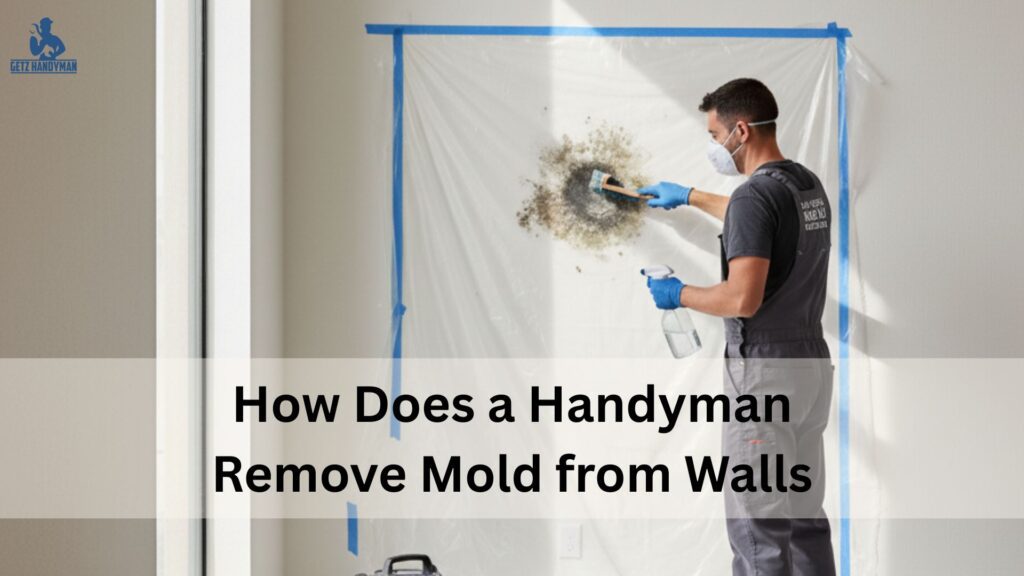
Mold on walls can quickly become a serious problem for homeowners. It not only damages the structure of your home but also affects your indoor air quality and health. Many homeowners wonder if a handyman can effectively remove mold – and the answer is yes, with the right tools and safety steps. Let’s look at how a handyman safely removes mold from your walls and prevents it from coming back.
Understanding Mold on Walls
Mold is a form of fungus that develops in moist places with an inadequate air supply. It often appears as black, green, or white spots on walls, ceilings, or behind wallpaper. Common causes include:
- Water leaks from pipes or roofs
- High humidity levels
- Poor ventilation in bathrooms and basements
Before removing mold, the handyman first identifies the source of moisture. It will not matter how cleanly the mold is cleaned, without correcting its cause, it will come back.
Step-by-Step Process: How a Handyman Removes Mold
1. Inspection and Safety Preparation
A professional handyman starts by inspecting the affected area to assess how far the mold has spread. They wear safety gear like gloves, goggles, and a mask to avoid inhaling mold spores. The room is sealed off to prevent mold spores from spreading to other areas of the home.
2. Fixing the Moisture Source
Next, the handyman checks for leaks or dampness in nearby plumbing, windows, or roofing. If the moisture source isn’t fixed first, mold will keep growing back even after cleaning.
3. Cleaning and Removing Mold from Walls
Depending on the type of wall surface, different cleaning solutions are used:
- Painted drywall: The handyman uses a mild detergent or vinegar solution to clean surface mold.
- Unpainted or porous surfaces: A deeper cleaning process using specialized antimicrobial cleaners is done.
- Severe infestations: If mold has penetrated the drywall, the handyman may need to remove and replace the damaged sections.
Scrubbing is done using a brush, and all cleaning materials are safely disposed of to prevent future contamination.
4. Drying and Dehumidifying the Area
After cleaning, the area must be completely dried. Handymen often use industrial fans or dehumidifiers to remove moisture. This step ensures that mold spores don’t return.
5. Applying Mold-Resistant Coating
Finally, the handyman applies a mold-resistant primer or paint on the wall. This acts as a protective barrier and reduces the chances of mold returning. For high-moisture areas like bathrooms or basements, this step is especially important.
Preventing Mold from Coming Back
Once the mold is removed, homeowners should take steps to keep their home dry and ventilated:
- Fix leaks as soon as they appear
- Use exhaust fans in kitchens and bathrooms
- Maintain proper ventilation
- Run a dehumidifier during humid months
These small habits go a long way in keeping your walls mold-free.
Final Thoughts
Whether it’s a small patch or a major infestation, hiring a handyman ensures the mold is properly removed and the area is restored safely. If you’re dealing with mold damage and want a lasting solution, consider professional mold removal in Las Vegas to keep your home clean, safe, and healthy.
Frequently Asked Questions (FAQs)
1. Can a handyman remove all types of mold?
A handyman can handle minor to moderate mold problems on walls, ceilings, and tiles. However, for large infestations or toxic black mold, professional remediation may be necessary.
2. How long does mold removal take?
It depends on the size of the affected area. Small areas can be cleaned within a few hours, while severe cases may take one or two days, including drying time.
3. Is it safe to stay in the house during mold removal?
For small projects, yes – but for larger mold removal work, it’s better to avoid the area until the cleaning and drying process is completed.
4. How can I tell if the mold has spread inside the walls?
If you notice a musty smell, peeling paint, or damp spots that return after cleaning, mold might be growing inside the walls. A professional inspection can confirm this.
5. Does insurance cover mold removal?
Some insurance policies cover mold removal if it’s caused by a sudden event like a burst pipe. However, mold due to long-term neglect or humidity is often not covered.