
How to Identify Drywall Water Damage and Know When Repairs Are Needed
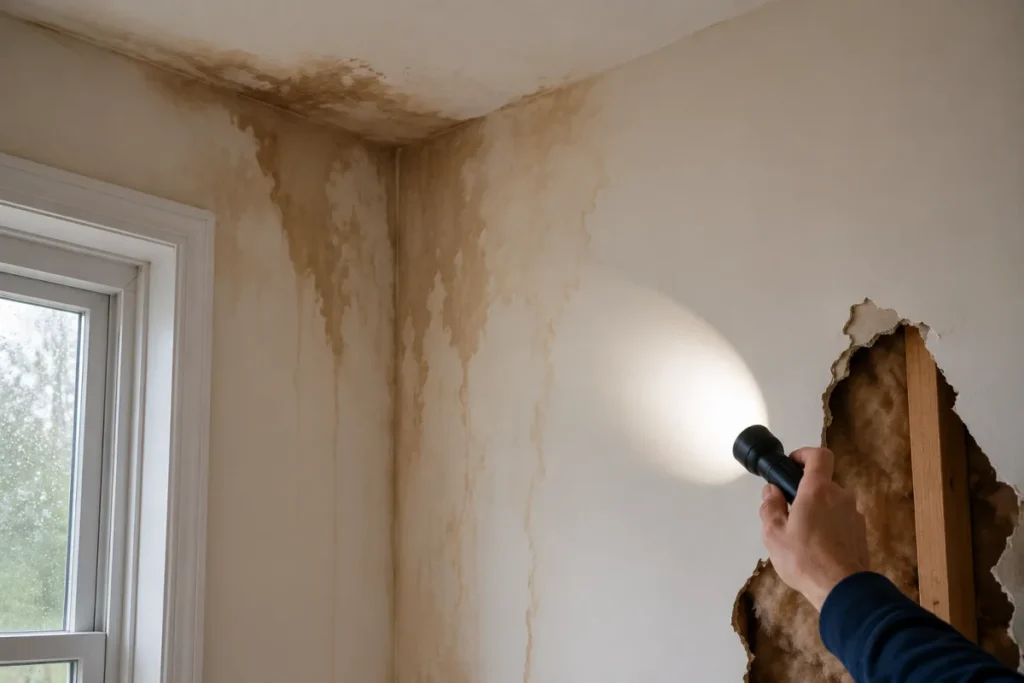
Drywall is one of the most common materials used in modern homes because it creates smooth, clean walls and ceilings. However, drywall can become damaged when exposed to water, moisture, leaks, or high humidity. Small issues can often turn into bigger problems if they are ignored for too long.
After years of working in the handyman industry, I have seen many homeowners overlook early warning signs of drywall damage. A small stain, soft spot, or unusual smell may seem harmless, but it can indicate moisture problems hidden behind the wall.
Knowing what to look for can help you protect your home, avoid expensive repairs, and maintain a safe living environment.
What Causes Drywall Water Damage?
Drywall is made from gypsum covered with paper layers. While it works well in dry indoor areas, it absorbs moisture quickly when exposed to water.
Some common causes of drywall damage include:
Plumbing Leaks
Leaking pipes, damaged water lines, and loose plumbing connections are common reasons behind wet drywall. Areas near bathrooms, kitchens, sinks, and laundry rooms are especially vulnerable.
Roof and Ceiling Leaks
Water from a damaged roof can travel through ceilings and walls before becoming visible. Sometimes the first sign is a small water mark that slowly grows over time.
Bathroom Moisture
Poor ventilation in bathrooms can create excess humidity. Over time, constant moisture exposure can damage wall surfaces, paint, and drywall materials.
Appliance Leaks
Washing machines, dishwashers, water heaters, and refrigerators can leak and cause hidden moisture damage behind walls or cabinets.
Flooding and Water Intrusion
Heavy rain, flooding, or drainage problems can expose drywall to large amounts of water, causing swelling, weakening, and possible mold growth.
Signs Your Drywall May Have Water Damage
Water damage does not always appear as a large leak. Many problems start with small changes that homeowners may ignore.
Water Stains and Discoloration
One of the most common signs is a yellow, brown, or dark stain on the wall or ceiling. These marks often appear after water has soaked into the drywall.
A stain may indicate:
- An active leak
- Previous water exposure
- Moisture trapped behind the surface
If the stain keeps returning after painting, the underlying issue may still exist.
Peeling Paint or Wallpaper
When drywall absorbs moisture, paint may lose its bond with the surface. You may notice:
- Bubbling paint
- Peeling areas
- Cracked finishes
- Loose wallpaper
These signs usually mean moisture has affected the wall material underneath.
Soft or Spongy Areas
Healthy drywall feels firm when touched. Water-damaged drywall may feel soft, weak, or spongy.
Pressing lightly on the wall can sometimes reveal areas where the drywall has lost strength because of moisture exposure.
Bulging or Swollen Walls
Water can cause drywall to expand and change shape. A damaged wall may look uneven, swollen, or slightly curved.
Bulging drywall should not be ignored because it can indicate significant moisture inside the wall cavity.
Musty Smells
A damp, musty odor can be a sign of hidden moisture. Even if you cannot see water damage, unpleasant smells may indicate moisture buildup or mold growth behind the wall.
Mold Growth
Mold can develop when drywall stays wet for an extended period. Common signs include:
- Black, green, or gray spots
- Musty odors
- Increased indoor moisture
Mold problems should be handled carefully because disturbing affected areas can spread spores.
How to Check for Hidden Drywall Damage
Some drywall problems are not visible immediately. Hidden moisture can remain inside walls and create long-term damage.
Here are a few ways to check for hidden issues:
Inspect Around Problem Areas
Pay attention to areas near:
- Plumbing fixtures
- Windows
- Doors
- Ceilings
- Exterior walls
Look for stains, cracks, discoloration, or changes in texture.
Check the Wall Texture
A wall that feels uneven, swollen, or softer than surrounding areas may have moisture damage underneath.
Use a Moisture Meter
A moisture meter can help detect moisture levels inside building materials. Professional inspectors often use these tools to find hidden water problems.
Check Baseboards and Trim
Water often travels downward. Damaged baseboards, peeling paint near the floor, or swollen trim can indicate moisture behind the wall.
Can Water-Damaged Drywall Be Repaired?
Not every damaged wall needs complete replacement. The repair method depends on the amount of damage and how long the drywall has been exposed to moisture.
Minor Damage
Small stains or surface damage may only require:
- Drying the area
- Fixing the water source
- Applying stain-blocking primer
- Repainting the surface
Moderate Damage
If drywall becomes soft or damaged in a specific area, the affected section may need to be removed and replaced.
Severe Damage
Full replacement may be necessary when:
- Drywall is crumbling
- Mold has spread
- The wall is severely swollen
- Water exposure has lasted for a long time
How Long Does Wet Drywall Take to Dry?
Drying time depends on several factors, including:
- Amount of water exposure
- Air circulation
- Indoor humidity
- Location of the damage
A small damp area may dry within a few days with proper ventilation. However, drywall that has absorbed a large amount of water may remain damaged even after it appears dry on the surface.
Why Quick Drywall Repairs Matter
Ignoring drywall damage can lead to bigger problems, including:
- Mold growth
- Poor indoor air quality
- Structural concerns
- Higher repair costs
- Damage spreading to nearby materials
Early inspection and repairs can help prevent minor issues from becoming major home repairs.
How to Prevent Future Drywall Damage
Homeowners can reduce the risk of drywall problems by following simple maintenance steps.
Fix Leaks Quickly
Repair plumbing leaks, roof issues, and water problems as soon as they appear.
Improve Ventilation
Use exhaust fans in bathrooms and kitchens to reduce moisture buildup.
Control Indoor Humidity
Keeping indoor humidity at a healthy level can help protect walls and ceilings.
Inspect Problem Areas Regularly
Check areas around plumbing, windows, and ceilings for early warning signs.
Use Moisture-Resistant Materials in Wet Areas
Bathrooms, basements, and laundry areas may benefit from materials designed to handle moisture better.
When Should You Hire a Handyman?
You may need professional help if:
- The damage covers a large area
- Drywall feels soft or unstable
- Mold is present
- You cannot find the source of moisture
- Repairs require cutting, replacing, or finishing drywall
A skilled handyman can inspect the damage, identify the cause, repair affected areas, and restore the wall surface properly.
Conclusion
Drywall water damage can start with small signs but become a serious problem when ignored. Water stains, soft spots, peeling paint, bad odors, and mold growth are all warning signs that should be checked.
The best approach is to identify the source of moisture, assess the damage, and complete repairs before the problem spreads. Regular maintenance and quick action can help keep your walls strong, clean, and safe.
If you need reliable help restoring damaged walls and improving your home, contact Getz Handyman for expert professional drywall repair las vegas services designed to bring your walls back to their original condition.