
How to Paint a House Interior: A Complete Step-by-Step Guide
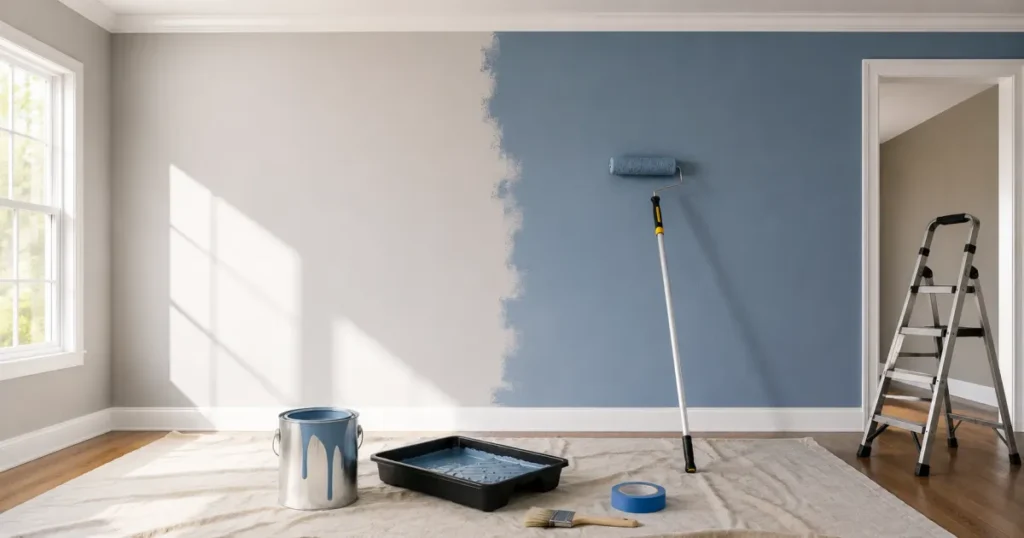
A new coat of paint can completely change the look and feel of a home. Whether you’re updating a single room or giving your entire house a new appearance, interior painting is one of the most effective ways to improve your living space. The key to getting professional-looking results isn’t just applying paint. Proper preparation, the right tools, and a clear process make all the difference.
This guide covers everything you need to know about painting a house interior, from choosing the right paint to achieving a smooth and lasting finish.
Why Interior Painting Matters
Interior paint does more than add color to walls. It protects surfaces from everyday wear, helps cover stains and imperfections, and creates a cleaner, more inviting environment. Regular painting can also extend the life of drywall, trim, and other interior surfaces.
A well-painted room can make a space feel brighter, larger, warmer, or more modern depending on the colors and finishes you choose.
Gather the Right Painting Supplies
Before starting, make sure you have all the necessary tools and materials. Having everything in place helps avoid disruptions and keeps the project moving forward smoothly.
Basic painting supplies include:
- Interior paint
- Primer
- Paint rollers and roller covers
- Angled paintbrushes
- Paint tray and liners
- Painter’s tape
- Drop cloths
- Sandpaper
- Putty or spackle
- Putty knife
- Caulk
- Ladder or step stool
- Cleaning cloths and mild detergent
Using quality brushes and rollers often produces better results and reduces visible brush marks or lint on painted surfaces.
Choose the Right Paint for Each Room
Not all paints are designed for the same purpose. Selecting the correct finish helps improve durability and appearance.
Flat or Matte Finish
Flat paint works well on ceilings and low-traffic areas. It hides surface imperfections effectively but can be harder to clean.
Eggshell Finish
Eggshell is one of the most popular wall finishes. It provides a soft appearance while offering greater durability than flat paint.
Satin Finish
Satin paint has a slight sheen and works well in living rooms, hallways, and children’s bedrooms. It’s easier to clean than eggshell.
Semi-Gloss Finish
Semi-gloss is commonly used for trim, doors, kitchens, and bathrooms because it resists moisture and cleans easily.
Gloss Finish
Gloss paint provides the highest shine and durability. It is often used for decorative trim and accent details.
Prepare the Room Before Painting
Preparation is often the most time-consuming part of painting, but it plays a major role in the final outcome.
Begin by moving furniture away from the walls or taking it out of the room completely. Cover floors and furniture with drop cloths to protect them from paint splatters.
Remove wall decorations, outlet covers, switch plates, and hardware whenever possible. This creates cleaner edges and makes painting easier.
Good preparation helps save time later and reduces the need for touch-ups.
Clean the Walls Thoroughly
Paint adheres best to clean surfaces. Dust, grease, and dirt can prevent proper adhesion and lead to uneven results.
Use a damp cloth or mild cleaning solution to wipe down walls, especially in kitchens, bathrooms, and high-traffic areas. Allow the surfaces to dry fully before moving on to the next step.
Skipping this stage can lead to peeling or poor coverage over time.
Repair Surface Imperfections
Before painting, inspect the walls for nail holes, dents, cracks, and other imperfections.
Fill small holes with spackle or patching compound. Once dry, sand the area smooth so it blends with the surrounding wall.
If there are gaps around trim, baseboards, or door frames, apply a paintable caulk to create a seamless appearance.
Smooth walls help produce a professional finish and prevent flaws from becoming more noticeable after painting.
Sand and Prime When Necessary
Sanding removes rough spots and improves paint adhesion. Lightly sand repaired areas and glossy surfaces before applying paint.
Primer may not always be required, but it’s highly recommended in certain situations:
- New drywall
- Dark walls being covered with lighter colors
- Stained surfaces
- Patched areas
- Significant color changes
Primer creates a uniform base and often improves paint coverage, reducing the number of coats needed.
Paint the Ceiling First
Professional painters typically start with the ceiling. This approach prevents accidental drips from damaging freshly painted walls.
Use a brush to paint around ceiling edges and corners. After cutting in, use a roller to cover larger areas.
Work in small sections and maintain a consistent pattern to avoid visible roller marks.
Allow the ceiling paint to dry completely before moving to the walls.
Cut In Around Edges
Cutting in refers to painting areas that rollers cannot easily reach.
Use an angled brush to paint:
- Corners
- Ceiling lines
- Around windows
- Around door frames
- Along baseboards
Take your time during this stage. Clean edges create a more polished appearance and make rolling easier afterward.
Many experienced painters cut in one wall at a time and then immediately roll the section while the paint is still wet for better blending.
Roll the Walls Correctly
Once the edges are painted, use a roller to cover larger wall surfaces.
Load the roller evenly and avoid over-saturating it with paint. Apply paint using overlapping strokes and maintain a wet edge as you work.
Many painters use a “W” or “M” pattern to distribute paint evenly before filling in the gaps.
Avoid pressing too hard on the roller. Excessive pressure can create streaks and uneven texture.
For most interior walls, two coats provide the best coverage and durability.
Allow Proper Drying Time
Patience is important during any painting project.
Adhere to the paint manufacturer’s suggested drying times between coats. Applying additional coats too soon can cause uneven finishes and poor adhesion.
Factors such as humidity, room temperature, and ventilation can affect drying times.
Opening windows or using fans can help improve airflow and speed up the drying process.
Paint Trim, Doors, and Baseboards
Once the walls are complete, focus on trim and doors.
These areas are usually painted with semi-gloss or gloss finishes because they are easier to clean and more resistant to scuffs.
Use a quality brush and apply smooth, even strokes. For the best results, lightly sand between coats if necessary.
Careful trim work helps frame the room and enhances the overall appearance of the paint job.
Remove Tape and Complete Final Touch-Ups
Painter’s tape should be removed before the paint fully hardens. This helps prevent peeling and creates cleaner paint lines.
After removing the tape, inspect the room for missed spots, uneven coverage, or minor imperfections. Perform touch-ups as needed.
Reinstall outlet covers, switch plates, and hardware once the paint has dried.
A final inspection ensures the project looks clean and complete.
Common Interior Painting Mistakes to Avoid
Even small mistakes can affect the finished appearance.
Some of the most common issues include:
- Skipping wall preparation
- Painting over dirty surfaces
- Using low-quality tools
- Applying paint too heavily
- Ignoring drying times
- Failing to use primer when needed
- Removing tape too late
- Rushing the project
Avoiding these mistakes can improve both the appearance and longevity of the paint job.
Final Thoughts
Painting a house interior is a project that rewards careful planning and attention to detail. From choosing the right paint finish to preparing surfaces properly and applying multiple coats, every step contributes to the final result. Taking the time to clean, repair, prime, and paint correctly can help create a beautiful interior that lasts for years.If you’re looking for expert guidance on paint color matching in las vegas or need professional assistance with your next home improvement project, contact Getz Handyman today and discover solutions tailored to your home’s unique style and needs.