
How Professional Stucco Repair Protects Home Value
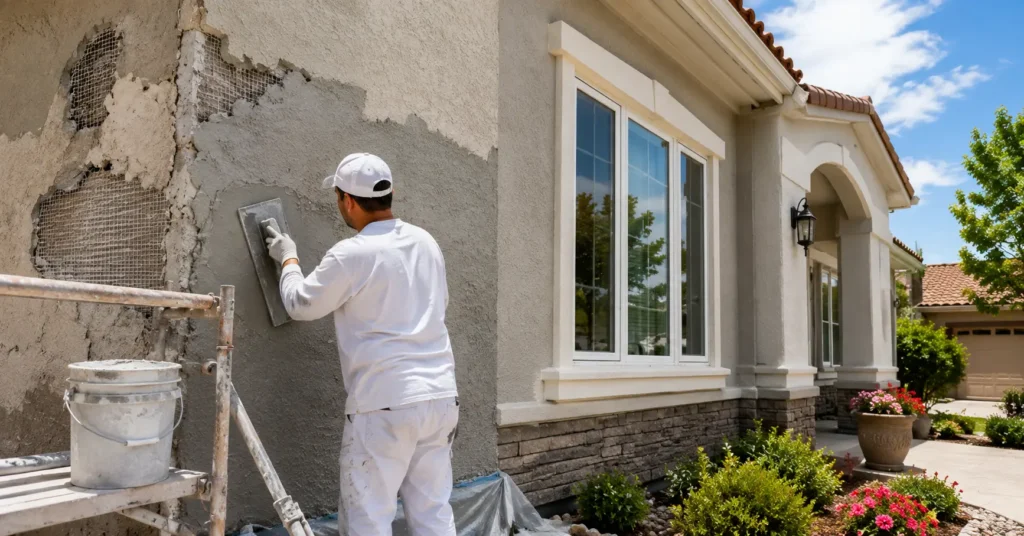
Stucco might look like a simple outer layer on a house, but it quietly does a lot of heavy lifting. It shields walls from weather, helps with insulation, and gives a home its finished look. When it’s in good shape, most people don’t even think about it. But once cracks start showing or patches begin to fade, things change quickly.
What starts as a small line on the wall can slowly turn into something that affects the structure and even the market value of the property. That is why the condition of stucco matters more than it gets credit for.
Why Stucco Condition Has a Direct Link to Home Value
A home’s exterior is usually the first thing anyone notices. Long before stepping inside, people already form an opinion based on what they see outside. Stucco that looks smooth and solid creates a sense of care and maintenance. On the other hand, cracked or stained surfaces can make a house feel older or neglected, even if everything inside is perfectly fine.
Real estate professionals often point out that exterior condition plays a big role in how a home is valued. Stucco damage doesn’t just affect appearance, it can influence how buyers and appraisers judge the overall condition of the property. That’s where stucco maintenance and timely repairs become important.
Small Cracks Are Never Just Surface Level
Hairline cracks in stucco are very common. They can happen because of temperature shifts, natural settling of the building, or simple aging. At first glance, they don’t look serious. Many homeowners ignore them because everything still feels solid.
The issue is what happens next. Once cracks are open, moisture can find its way inside. Even a small amount of water entering the surface can slowly travel behind the stucco layer. Over time, this can affect the wall underneath, including wood framing and insulation.
What makes this tricky is that the damage is not always visible right away. By the time stains or soft spots appear, the issue may already be deeper than expected. That is why stucco crack repair done early can prevent much bigger problems later.
Moisture Is the Silent Problem
Water is one of the biggest threats to any exterior surface. Stucco is designed to resist it, but it is not completely waterproof, especially when it is damaged or aging. Once moisture slips behind the surface, it can stay trapped for a long time.
That trapped moisture can lead to mold growth, weakening of materials, and even interior wall damage. In some cases, homeowners only notice the issue after repainting or renovation work begins.
Proper exterior stucco repair helps stop this cycle. The goal is not just to fix visible damage but also to seal weak points where water could enter again. Without that step, the same problem often comes back.
Structural Strength Depends on Surface Condition
Stucco is part of the home’s outer protection system. It works along with other building layers to keep the structure stable and protected. When it starts breaking down, it can affect more than just looks.
Cracks and loose sections allow outside elements to reach deeper parts of the wall. Over time, this can put stress on the structure itself. It may not cause immediate failure, but it slowly reduces the strength of the system holding everything together.
Regular stucco surface repair helps keep that protective layer intact. It supports the wall system and reduces the chance of long-term weakening.
Energy Loss Often Starts From Exterior Damage
Something many homeowners don’t realize is that stucco also plays a role in insulation. A properly sealed exterior helps keep indoor temperatures stable. When the surface is damaged, small gaps can allow air to move in and out more easily.
This means the home may feel warmer in summer and cooler in winter than it should. As a result, heating and cooling systems have to work harder. Over time, that can increase energy usage without anyone noticing the real cause.
Keeping stucco in good condition helps maintain the barrier between indoor and outdoor air. It supports better energy efficiency without any major upgrades inside the home.
Exterior Appearance Affects First Impressions
Curb appeal is not just about decoration. It has a direct connection to property value. A home that looks clean and well-maintained from the outside naturally feels more inviting.
When stucco starts showing wear, it changes that impression. Even small discoloration or uneven patches can make a property look older than it really is. That perception can affect interest from potential buyers.
Fresh and well-maintained stucco creates a balanced, consistent look. It signals that the property has been taken care of over time, which adds confidence during resale discussions.
Repairing Early Prevents Bigger Expenses Later
One of the simplest truths about stucco maintenance is that small fixes are always easier than large repairs. A minor crack or patch today is usually quick to handle. But if that same issue is ignored, it can spread and affect larger sections of the wall.
Once moisture damage or structural issues develop, repair work becomes more complex and costly. Sometimes it even requires removing entire sections of stucco to fix what’s underneath.
Routine attention and timely stucco repair services help avoid those situations. It is more about prevention than reaction.
Home Inspections Often Highlight Stucco Condition
When a home is being sold or refinanced, exterior condition becomes part of the inspection process. Inspectors look closely at walls, especially stucco surfaces, for cracks, water stains, or separation from the structure.
Even if the damage is minor, it can raise questions during negotiations. Buyers may worry about hidden issues or future repair costs. That uncertainty can affect offers or slow down the selling process.
A well-maintained exterior reduces those concerns. It creates a smoother path during inspections and helps support stronger property valuation.
Proper Repair Work Makes a Long-Term Difference
Not all stucco repairs are the same. The quality of work depends on how well the problem is diagnosed and fixed. Some issues are only surface deep, while others go further into the wall system.
Good repair work involves more than covering cracks. It includes identifying why the damage happened, fixing the affected area, and making sure the finish blends naturally with the existing surface.
When done correctly, stucco repair extends the life of the exterior and reduces the chance of the same issue returning.
A Strong Exterior Protects Long-Term Investment
A home is one of the biggest investments most people make. Keeping it in good condition is not just about appearance, it is about protecting value over time.
Stucco plays a quiet but important role in that protection. It stands between the home and outside elements every single day. When it stays strong, the entire property benefits.
Neglecting it can lead to slow but steady damage that eventually affects both structure and value. Taking care of it early keeps everything more stable and predictable.
Final Thoughts
Stucco does not usually demand attention until something goes wrong. But by the time damage becomes obvious, the problem may already be deeper than expected. Small cracks, moisture spots, and surface wear should never be ignored for too long.
Regular maintenance and timely repairs help keep the structure solid, improve energy efficiency, and maintain curb appeal. More importantly, they protect the long-term value of the home.
For homeowners looking to address surface cracks or exterior damage, getting help with professional stucco patch repair in las vegas through Getz Handyman can be a practical step toward keeping the property in strong condition for years ahead.
Frequently Asked Questions
Does stucco condition affect home price?
I walked through a resale inspection last year and noticed buyers stopped at exterior cracks first. Inside didn’t matter at that point. Stucco with visible damage pulled attention away from the rest of the house. One home I saw lost interest from two buyers after a 3 mm crack line spread across the front wall. Exterior conditions set the tone before anything else was checked.
Are small cracks harmless?
I used to ignore hairline cracks on a rental wall. After one rainy season, those same lines widened and left a damp patch inside the living room corner. Water had moved behind the surface without obvious signs outside. Small cracks sit quiet until moisture finds a path.
What damage follows water intrusion in stucco?
I opened a section of wall after spotting discoloration near a window. The wood underneath felt soft and dark. Mold spots appeared along the insulation. None of this was visible from outside. Water sits behind stucco longer than expected before signs show up indoors.
Does damaged stucco affect indoor comfort?
I measured the indoor temperature shift in a home with cracked exterior walls. Rooms near damaged sections stayed about 2 to 3 degrees hotter during afternoon hours. Air leaked through gaps and reduced insulation performance. Heating and cooling ran longer cycles in those zones.
Does repair change how a house looks?
I fixed a patched wall where a texture mismatch stood out. After blending the finish, the front elevation stopped drawing attention for the wrong reason. Even small repairs reduced uneven shading on sunlight exposure. The surface looked steady instead of broken into patches.
What happens if repair waits too long?
I delayed repairing a side wall once. The crack line spread across two corners within months. What started as surface work turned into section removal and replacement of base layers. Labor time tripled compared to early repair work.
How often to check stucco?
I inspect exterior walls twice a year. Spring and post-monsoon checks show most movement. I focus near windows, roof edges, and ground contact lines. These areas show early stress before other sections.