
What Happens If You Ignore Cracked Caulk
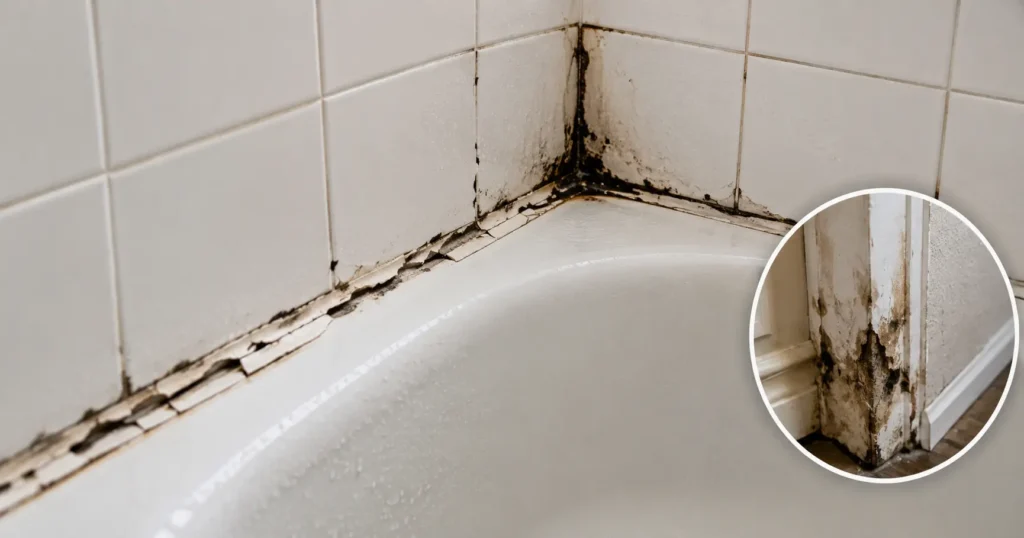
Most people don’t think much about caulk until it starts peeling away or showing cracks around the sink, bathtub, or windows. It looks minor at first, so it’s easy to ignore. The problem is that damaged caulk can quietly lead to bigger issues inside a home. What starts as a thin crack can slowly turn into water damage, mold growth, higher energy bills, and expensive repairs.
Caulk acts like a barrier. It seals small gaps and keeps out moisture, air, dust, and insects. Once that seal breaks down, those gaps become open doors for problems to develop. Sometimes the damage stays hidden for months before anyone notices.
Here’s what can happen when cracked caulk is left untreated for too long.
Water Damage Starts Behind the Surface
One of the biggest jobs caulk does is keeping water out of places it shouldn’t reach. Around showers, tubs, sinks, countertops, and windows, it helps stop moisture from slipping behind walls and fixtures.
When caulk cracks or pulls away, water slowly seeps into those spaces. At first, you may not notice anything unusual. The damage often happens quietly behind the surface.
Over time, though, moisture can soak into:
- Drywall
- Wood framing
- Cabinets
- Flooring
- Baseboards
That’s when problems become visible. Paint may bubble, wood can swell, and floors might start warping. In bathrooms and kitchens where water is constantly present, the damage tends to spread faster.
A small gap around a sink may not seem serious today, but months later it can lead to repairs that cost far more than replacing the caulk itself.
Mold and Mildew Can Grow Quickly
Moisture trapped behind walls or under fixtures creates the perfect environment for mold and mildew. Cracked caulk around tubs and showers is one of the most common places where this starts.
You might first notice a musty smell or dark spots near corners and seams. Sometimes the mold spreads behind tile or drywall long before it becomes visible.
Besides damaging materials, mold can affect indoor air quality too. People with allergies or breathing sensitivities may notice coughing, sneezing, headaches, or irritation after long exposure.
Bathrooms with poor ventilation are especially vulnerable because steam and humidity build up daily. Once mold spreads behind surfaces, cleanup becomes much more difficult.
Energy Bills Can Slowly Climb
Caulk doesn’t just block moisture. It also helps seal air leaks around windows, doors, vents, and exterior joints. When those seals crack, outside air begins creeping into the home.
That means your heating and cooling system has to work harder to keep temperatures comfortable.
You may notice:
- Drafts near windows
- Rooms that feel hotter or colder than usual
- Air conditioners running longer
- Higher utility bills
Even small gaps can reduce energy efficiency over time. During very hot summers or cold winters, those leaks become even more noticeable.
Many homeowners focus on insulation but overlook damaged caulking around windows and doors, which can also impact indoor comfort.
Pests Can Find Their Way Inside
Tiny cracks may not look like much, but insects don’t need a large opening to get inside. Ants, spiders, cockroaches, and other pests can enter through gaps around windows, plumbing lines, and exterior siding.
Moisture around damaged caulk can attract pests searching for water sources too.
Exterior caulk is especially important because it seals vulnerable areas where pipes, vents, or trim meet the home. Once those openings appear, bugs often find their way into walls, cabinets, or crawl spaces.
Keeping caulk in good shape helps reduce the chance of unwanted pests settling indoors.
Tiles and Fixtures May Start Loosening
In bathrooms and kitchens, caulk helps protect the edges around tile, sinks, tubs, and backsplashes. When water seeps beneath these surfaces, the grout and adhesives start to lose their strength.
That can lead to:
- Loose tiles
- Cracked grout lines
- Shifting backsplashes
- Countertop separation
- Unstable sink edges
At first, the damage may seem cosmetic. Eventually, though, the moisture underneath can spread farther and affect surrounding materials too.
A lot of homeowners replace broken tiles without realizing the real issue started with failed caulking that allowed water to seep underneath.
Wood Rot Can Become a Bigger Problem
Outside the home, cracked caulk around windows, trim, and siding leaves wood exposed to rain and humidity. Once moisture gets into wood, rot can begin developing below the surface.
Wood rot doesn’t always show immediate signs. It often spreads slowly while weakening the material from the inside.
You may eventually notice:
- Soft or spongy wood
- Peeling paint
- Cracked trim
- Dark discoloration
- Window frame damage
Repairing rotted wood can become expensive, especially if the damage spreads into structural areas. Replacing old caulk early is much easier and far less costly.
Small Cracks Rarely Stay Small
Caulk naturally expands and contracts as temperatures change. Once it begins cracking, the damage usually keeps spreading. Heat, moisture, sunlight, and normal building movement all wear it down over time.
What starts as a thin line can turn into a larger gap surprisingly fast.
Older caulk may also become dry and brittle. Instead of flexing with movement, it starts pulling away from the surface entirely. Once that happens, it no longer creates a proper seal.
Checking caulk regularly helps catch problems before they get worse.
Exterior Damage Can Spread Over Time
Outside the home, failing caulk leaves siding and trim exposed to the weather year-round. Rainwater can enter small gaps during storms and remain trapped behind exterior materials.
This can lead to:
- Peeling paint
- Water stains
- Cracked siding
- Damaged insulation
- Corrosion around metal fixtures
In colder climates, freeze and thaw cycles make things even worse. Water trapped in gaps expands when frozen, causing cracks to widen further.
That’s why exterior caulking maintenance matters just as much as indoor repairs.
It Can Affect the Overall Appearance of the Home
Even small signs of neglected maintenance can make a home look older or poorly cared for. Cracked caulk around tubs, sinks, windows, or countertops stands out more than many people realize.
Home inspectors also pay close attention to moisture-prone areas. Visible water damage or mold concerns can raise red flags during inspections and potentially affect property value.
Simple maintenance tasks like replacing worn caulk help keep the home looking clean and well maintained.
Signs It’s Time to Replace Caulk
A lot of people wait until damage becomes obvious, but there are usually warning signs beforehand.
Watch for:
- Cracks or splits
- Peeling edges
- Shrinking caulk lines
- Gaps between surfaces
- Hard or brittle texture
- Mold buildup
- Water stains nearby
If the caulk no longer creates a smooth, tight seal, it’s probably time for replacement.
Final Thoughts
Cracked caulk might seem like a minor issue, but ignoring it for too long can create much bigger problems inside and outside the home. Water damage, mold growth, loose tiles, rising energy costs, and wood rot often start with small gaps that were left untreated.
The good news is that catching the problem early is usually simple. Regularly checking bathrooms, kitchens, windows, doors, and exterior joints can help prevent expensive repairs later on.
If your home needs reliable repair or maintenance services, Getz Handyman is ready to help with trusted solutions, including professional appliance installer in las vegas and other essential handyman services designed to keep your home in great shape.
Frequently Asked Questions
Why is cracked caulk something I should worry about?
Cracked caulk might look small and harmless, but it stops doing its job once it breaks. That means water, air, and even pests can slowly sneak into areas they shouldn’t. Over time, this can lead to hidden damage behind walls, around windows, or under sinks.
Can a small crack in the caulk really cause water damage?
Yes, even a thin gap can let water through. It usually doesn’t show immediate damage, which is what makes it tricky. The water seeps in quietly and can slowly affect drywall, wood, flooring, and cabinets before you notice anything wrong.
Does cracked caulk lead to mold?
It can. When moisture gets trapped behind surfaces, mold and mildew can start growing. Bathrooms and kitchens are common spots for this since they stay damp. At first, you might only notice a smell or a small stain, but it can spread if the moisture keeps coming in.
Will damaged caulk affect my energy bills?
It can have an impact, especially around windows and doors. Once caulk starts breaking down, small air leaks form. That lets outside air come in and indoor air escape, which makes heating and cooling systems work harder than they should.
Can insects really enter through cracked caulk?
Yes, surprisingly small gaps are enough for insects to get inside. Ants, spiders, and cockroaches can squeeze through cracks around windows, pipes, and exterior joints. If moisture is present too, it can make the area even more attractive to pests.
How do I know if my caulk needs to be replaced?
There are a few clear signs. Look for cracks, peeling edges, gaps, or caulk that feels dry and hard. Discoloration or mold around the seal is another warning. If it no longer sticks tightly to the surface, it’s time for a replacement.
Is it expensive to fix cracked caulk?
Not really. Replacing caulk is usually a simple and affordable maintenance task. The real cost comes from ignoring it for too long, since water damage, mold removal, or wood repairs can get expensive quickly.
What areas of the home should I check most often?
Focus on places where water or outside air is common. Bathrooms, kitchens, windows, doors, and exterior siding joints are the main areas. These spots deal with moisture, heat changes, and movement, so caulk tends to wear out faster there.
Can ignoring cracked caulk damage my home long term?
Yes, it can slowly weaken parts of your home if left alone. Water damage, mold, loose tiles, and wood rot often start from small seal failures. What seems minor at first can turn into much larger repairs over time.
Should I repair caulk myself or call a professional?
Small fixes can often be handled on your own, but if the damage is widespread or tied to deeper issues like leaks or mold, it’s better to get help. Proper repair ensures the problem doesn’t come back quickly.