
How to Fix Nail Pops in Drywall (Step By Step)
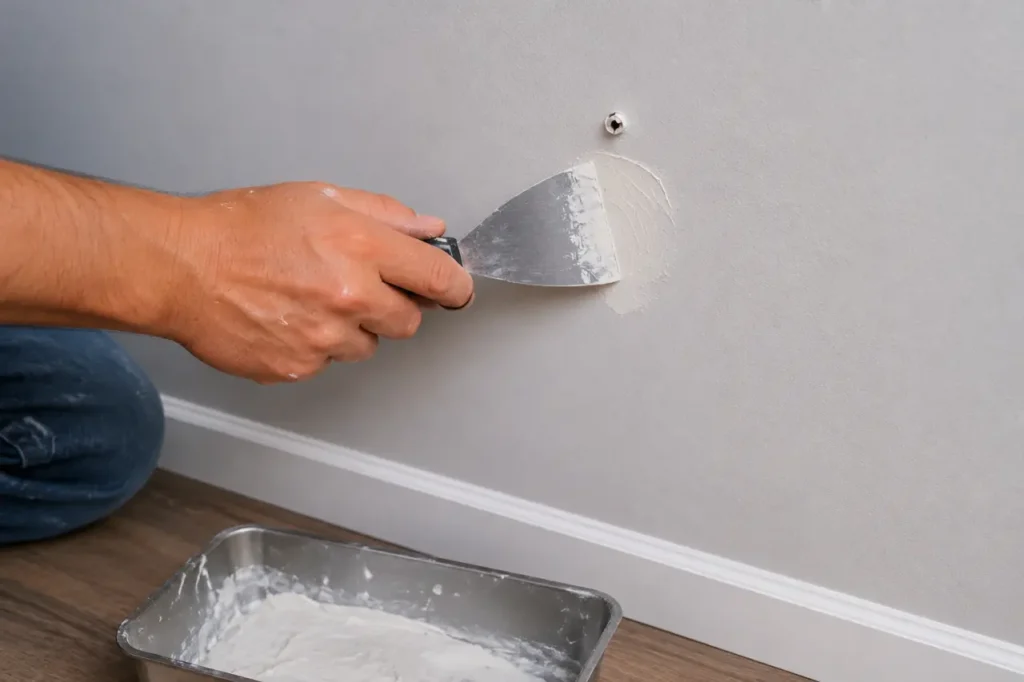
You spot a small bump on the wall and at first it doesn’t seem like much. Then you notice a tiny crack around it or a raised circle under the paint. That’s a nail pop in drywall.
It’s something most homes deal with at some point. Nothing unusual or dangerous in most cases, just the wall reacting to small shifts inside the structure. Wood moves a bit over time, fasteners loosen, and the surface shows it.
It doesn’t take much to fix it. Once you understand what’s going on, the repair becomes pretty straightforward.
Why nail pops happen in the first place
Drywall sits on wooden studs, and wood is always slightly active. It expands when humidity rises and shrinks when the air gets dry. That slow movement is enough to loosen nails or even screws over time.
When the fastener starts losing grip, it pushes outward. That’s when you see the bump on the wall or ceiling.
A few common reasons behind it:
- Natural settling of the house, especially in newer builds
- Seasonal changes in humidity and temperature
- Nails used instead of screws during installation
- Fasteners not driven deep enough into studs
- Normal long-term movement in the framing
Ceilings often show nail pops too, since gravity adds a bit more stress in those areas.
How nail pops usually look
They don’t always appear the same way. Some are obvious, others are easy to miss.
You might notice:
- A small raised circle under paint
- A tiny crack forming around one point
- A slight ridge when light hits the wall
- Spots that feel uneven when you run your hand over them
Sometimes they stay small. Other times, they keep coming back in the same place if the fastener underneath wasn’t fixed properly.
What you’ll need before starting
Nothing complicated here. Most of it is basic home repair stuff:
- Drywall screws (coarse thread works best for wood studs)
- Drill or screwdriver
- Joint compound
- Putty knife
- Sandpaper (medium and fine grit)
- Utility knife or scraper
- Primer and paint for finishing
Having everything ready makes the whole process smoother, especially since drying time matters later.
Step-by-step: fixing nail pops in drywall
1. Find and check the spot
Start by looking closely at the bump. Press around it gently. If it feels loose or moves slightly, the fastener has come out of the stud.
Mark it so you don’t lose track once you start repairing.
2. Secure the drywall properly
This is the step that really matters.
Don’t just hammer the nail back in. That’s a quick fix that usually doesn’t last.
Instead, drive a drywall screw into the stud about an inch or two above or below the nail pop. This pulls the drywall back tight and locks it in place.
If the old nail is sticking out, you can push it in slightly or remove it if possible. The screw is what does the real work here.
3. Clean the area
Take a utility knife or scraper and remove anything loose around the spot.
That includes:
- Flaking paint
- Cracked joint compound
- Weak edges around the pop
A clean surface helps the new material stick better and blend in later.
4. Apply joint compound
Now spread a thin layer of joint compound over the area using a putty knife.
Don’t pile it on. A thin coat works better and dries more evenly. Extend it slightly beyond the repair so it blends into the wall instead of sitting in a small patch.
Let it dry fully before moving on. It usually takes a few hours depending on thickness and room conditions.
5. Sand it smooth
Once it’s dry, sand the area gently.
You’re aiming for a flat surface that matches the wall around it. Not too aggressive, just enough to smooth out edges.
Run your hand over it. If you still feel a dip or uneven spot, add another thin coat and repeat the process.
This step makes a big difference in how invisible the repair looks later.
6. Prime and paint
After sanding, apply a coat of primer first. This helps seal the patched area and keeps the paint from soaking in unevenly.
Once it dries, repaint the spot. Sometimes you’ll need to feather the paint a little wider so the color blends naturally with the rest of the wall.
Common mistakes people make
A lot of nail pop repairs go wrong because of small shortcuts.
Some of the usual ones:
- Hammering the nail back instead of using a screw
- Skipping surface cleaning before patching
- Using thick layers of compound that crack later
- Not sanding enough before painting
- Skipping primer and ending up with visible patches
These mistakes usually lead to the same problem coming back again.
How to prevent nail pops later
You can’t stop a house from moving, but you can reduce the chances of new pops showing up.
A few simple habits help:
- Use screws instead of nails during repairs
- Keep indoor humidity as stable as possible
- Make sure drywall is fastened tightly during installation
- Avoid overdriving screws into the drywall surface
- Check walls occasionally for early signs of movement
Small prevention steps go a long way over time.
Final thoughts
Nail pops might look like a small issue, but fixing them the right way keeps your walls looking clean and solid. The key is simple: secure the drywall first, then patch and finish the surface properly.
Once done correctly, the repair usually holds up for a long time without coming back.
If wall issues keep showing up or you want a clean professional finish, Getz Handyman can help with best drywall repair in las vegas.
FAQs
1. Are nail pops something to worry about?
Not really. Most are just surface issues caused by normal house movement.
2. Can I fix nail pops without repainting?
Sometimes yes, but the repair usually looks cleaner if you touch up paint.
3. Why does the same spot keep popping again?
It usually means the drywall wasn’t properly secured to the stud.
4. Should I remove the old nail completely?
Only if it’s loose or sticking out. Otherwise, it’s usually fine to just keep it as it is.
5. How long does the repair take?
The actual fixing takes less than an hour, but drying and painting add more time.