
How to Replace Damaged Baseboards: A Complete Guide for Homeowners
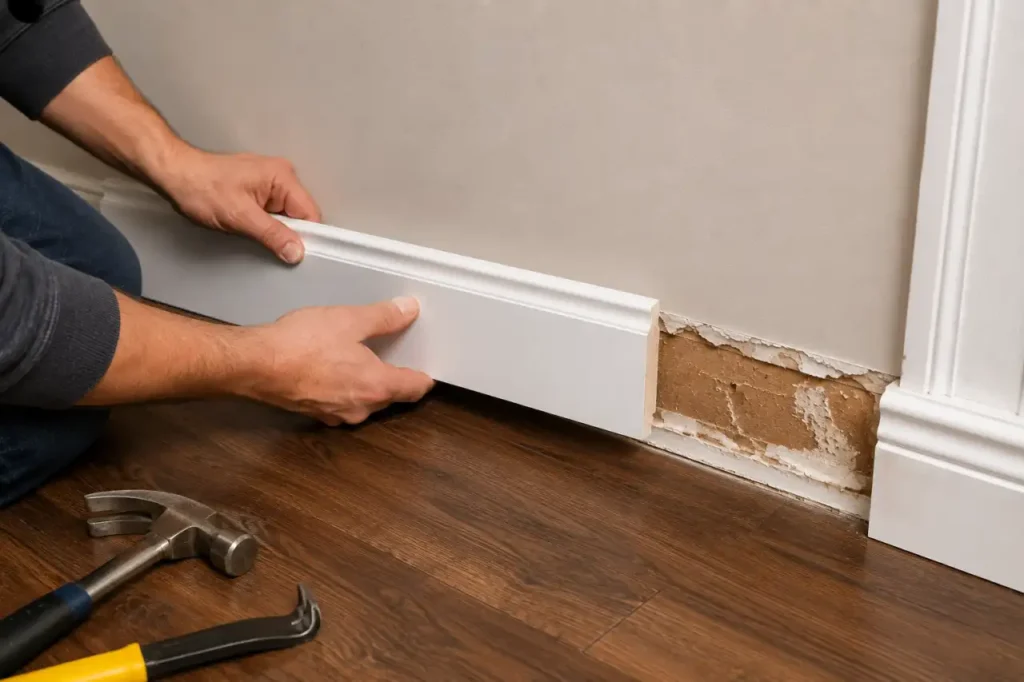
Baseboards may seem like a small detail, but they do more than add a finished look to a room. They protect the bottom of your walls from scuffs, bumps, and everyday wear while helping create a smooth transition between the wall and the floor. Over time, baseboards can become cracked, swollen, scratched, or loose due to moisture, furniture, pets, or normal use.
If you notice damaged baseboards in your home, replacing them is often the best way to restore the appearance of your space and prevent further damage. The good news is that replacing baseboards is a manageable home improvement project when you follow the right steps.
This guide explains everything homeowners need to know about replacing damaged baseboards, from identifying the problem to installing new trim and keeping it in excellent condition.
Why Baseboards Matter
Baseboards serve both functional and decorative purposes. While many people think of them as simple trim, they help protect drywall from impacts caused by shoes, furniture, vacuum cleaners, and cleaning equipment. They also hide the small expansion gap between flooring and walls, creating a clean and polished appearance.
Replacing damaged baseboards not only improves the look of your home but also helps protect your walls from future wear.
Common Causes of Baseboard Damage
Understanding what caused the damage helps prevent the same issue from happening again.
Some of the most common causes include:
- Water leaks or excessive moisture
- Furniture scraping against the trim
- Pet scratches or chewing
- Vacuum cleaners and mops hitting the baseboards
- Everyday wear in high-traffic areas
- Termite or insect damage
- Aging wood that begins to split or crack
If moisture caused the damage, repair the source of the leak before installing new baseboards.
Signs It’s Time to Replace Your Baseboards
Not every damaged baseboard needs to be replaced. Small dents and scratches can often be repaired. However, replacement is usually the better option if you notice:
- Large cracks
- Warped or swollen boards
- Rotting wood
- Missing sections
- Severe water damage
- Loose baseboards that no longer stay attached
- Extensive insect damage
Replacing severely damaged trim provides a longer-lasting solution than repeated repairs.
Tools and Materials You’ll Need
Before starting, gather all the necessary tools and supplies.
| Tool or Material | Purpose |
| Measuring tape | Measure replacement pieces accurately |
| Utility knife | Cut paint and caulk lines |
| Pry bar | Remove old baseboards |
| Hammer or brad nailer | Install new trim |
| Finish nails | Secure the baseboard |
| Nail set | Sink nail heads below the surface |
| Miter saw | Make accurate corner cuts |
| Wood filler | Fill nail holes |
| Paintable caulk | Seal gaps along the wall |
| Sandpaper | Smooth repaired areas |
| Primer and paint | Finish the installation |
Getting all your tools and materials ready beforehand helps the project run more smoothly.
Step-by-Step Guide to Replacing Damaged Baseboards
Step 1: Remove the Old Baseboard
Use a utility knife to score the paint or caulk where the baseboard meets the wall. This reduces the chance of peeling paint or damaging drywall.
Carefully slide a pry bar behind the trim and work slowly across the length of the board. If needed, place a small piece of scrap wood behind the pry bar to protect the wall while removing the trim.
Remove any remaining nails once the baseboard comes free.
Step 2: Prepare the Wall
After removing the old trim, inspect the wall for damage.
Scrape away old caulk, adhesive, and loose paint. Patch small holes with joint compound and sand the surface smooth once it has dried.
A clean, level surface helps the replacement baseboard fit properly.
Step 3: Measure and Cut the Replacement
Measure the wall carefully before cutting the new baseboard.
Inside corners can be joined using either a coped joint or a 45-degree miter cut. Outside corners typically require matching 45-degree cuts that fit together neatly.
Always test the fit before fastening the trim to the wall.
Step 4: Install the New Baseboard
Position the baseboard tightly against both the wall and the floor.
Secure it using finish nails or a brad nailer. Whenever possible, drive nails into wall studs for a stronger installation.
If using a hammer, use a nail set to slightly recess each nail head.
Step 5: Fill, Caulk, and Finish
Fill nail holes with wood filler and allow it to dry completely.
Sand the filled areas until smooth, then apply a thin bead of paintable caulk along the top edge where the trim meets the wall.
Finish by priming and painting or staining the baseboard to match the rest of the room.
Repair vs. Replace Baseboards
The table below can help you decide whether repair or replacement is the better option.
| Condition | Repair | Replace |
| Small scratches | ✔ | |
| Minor dents | ✔ | |
| Nail holes | ✔ | |
| Large cracks | ✔ | |
| Water damage | ✔ | |
| Warped boards | ✔ | |
| Missing pieces | ✔ | |
| Rot or insect damage | ✔ |
Replacing badly damaged trim usually saves time and provides a cleaner, longer-lasting result.
Expert Tips for Better Results
A few extra steps can make a big difference in the finished appearance.
- Measure twice before cutting.
- Buy a replacement profile that matches your existing baseboards.
- Test-fit each piece before fastening it.
- Wipe away dust before painting.
- Apply caulk sparingly for clean edges.
- Paint unfinished trim before installation if possible, then touch up nail holes afterward.
- Allow paint to cure fully before moving furniture back against the wall.
Common Mistakes to Avoid
Many DIY projects go wrong because of small oversights.
Avoid these common mistakes:
- Forgetting to score paint before removing trim
- Damaging drywall while prying off baseboards
- Skipping repairs to water damage before installation
- Taking inaccurate measurements
- Using too much caulk
- Not filling nail holes
- Rushing the painting process
- Ignoring uneven walls during installation
Working carefully often produces a finish that looks professionally installed.
How to Maintain Your Baseboards
Once your new baseboards are installed, simple maintenance can help them last for many years.
Dust them regularly with a microfiber cloth or vacuum attachment. Clean spills quickly to prevent moisture damage. Avoid bumping the trim with vacuums, mops, or heavy furniture.
Inspect your baseboards occasionally for signs of loose sections, peeling paint, or water damage. Taking care of minor issues early can help you avoid more costly repairs in the future.
Conclusion
Replacing damaged baseboards is a practical home improvement project that enhances both the appearance and protection of your home. By removing the old trim carefully, preparing the wall, measuring accurately, and installing the replacement correctly, you can achieve a clean and durable finish. Regular maintenance and prompt attention to minor damage will help keep your baseboards looking their best for years to come.
If replacing damaged baseboards feels like more than you want to tackle on your own, Getz Handyman is ready to help. We provide professional baseboard Installation in las vegas with careful attention to detail and quality craftsmanship. Contact our team today to discuss your project and schedule a convenient service.
Frequently Asked Questions
Can I replace just one section of a baseboard?
Yes. If you can find a replacement with the same profile and finish, replacing only the damaged section is often possible.
What is the best material for baseboards?
Solid wood offers durability and a classic appearance. MDF is affordable and smooth for painting, while PVC is moisture resistant and works well in bathrooms or laundry rooms.
How Much Time Does It Take to Replace Baseboards?
Replacing a single section may take one to two hours. Replacing baseboards throughout an average room can usually be completed in a day, depending on preparation and finishing time.
Should I paint baseboards before installing them?
Painting before installation can save time, but you will still need to touch up nail holes and caulk after the trim is installed.
Can You Repair Damaged Baseboards Instead of Replacing Them?
Minor dents, scratches, and small cracks can often be repaired with wood filler and paint. Extensive damage usually requires replacement.
What causes baseboards to separate from the wall?
Changes in humidity, house settling, poor installation, or loose fasteners can all cause gaps to develop between the wall and the baseboard.